
2016 Conference Speakers
In our past conferences we have had many exciting presentations designed to
share insights into the clinical direction of perinatal stem cells sources.
Upcoming Virtual Conferences
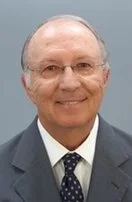
Curtis L. Cetrulo, Sr., MD
Finally, Everyone is Interested in the Placenta! And It's About Time!
-
Curtis L. Cetrulo, MD
Professor of Obstetrics and Gynecology, Tufts University School of Medicine
President, International Cord Blood Society (ICBS)
Medical Consultant, Auxocell Laboratories, Inc.
Conference Presentation Topic: Finally, Everyone is Interested in the Placenta! And It's About Time!
Curtis L. Cetrulo, MD has a profound passion for stem cells and pursues this passion with the same excitement and energy that he has brought with him at every stage of his career. Since 1984 until the present, Dr. Cetrulo has been a Professor of Obstetrics and Gynecology at Tufts University School of Medicine. He is one of the two founding members and is the current President of the International Cord Blood Society (ICBS), a non-profit organization founded in 1995. In 2007, Dr. Cetrulo guest edited an edition of the Journal “Stem Cell Reviews” that focused on Pregnancy related stem cells. Dr. Cetrulo is currently a medical consultant for Auxocell Laboratories, Inc. a company that focuses on stem cells obtained from the Wharton’s Jelly of the human umbilical cord. From 1996 until 2005, Dr. Cetrulo was the medical director of New England Cord Blood Bank, Inc. From 1992- 1994, Dr. Cetrulo was the Chairman of the Obstetrical Quality Assurance Committee at New England Medical Center. In 1992, he was named the Director of Regional Perinatal Program at New England Medical Center and from 1975-1992, Dr. Cetrulo was the Director of Maternal-Fetal Medicine at St. Margaret’s Hospital in Boston. In 1990, Dr. Cetrulo was named the President of Medical Staff at St. Margaret’s Hospital. In 1977, Dr. Cetrulo was board certified in Maternal Fetal Medicine. He was the first OB/GYN to be board certified in Maternal Fetal Medicine in Boston, Massachusetts. Dr. Cetrulo completed his Maternal Fetal Medicine fellowship at the University of Southern California Medical Center in Los Angeles, California in 1975. He completed his Obstetrics/Gynecology residency program at the University of Colorado in Denver, Colorado in 1973. Dr. Cetrulo graduated from the New Jersey College of Medicine in 1969. He did his undergraduate work at Columbia University (1965) where he was the captain of the 1964 NCAA champion Fencing team.
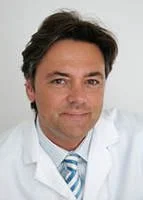
Prof. Dr. C. Breymann
Founder and Director of the Swiss Perinatal Institute in Zurich
-
Speaker - Prof. Dr. C. Breymann
Founder and Director of the Swiss Perinatal Institute in Zurich
The Perinatal Zurich was founded 2013 by Prof. Dr. Christian Breymann in Zurich, Switzerland. The Institutes main goal is to give assistance and counseling in complex cases and questions concerning perinatal medicine and high risk obstetrics. The main characteristic of Perinatal Zurich is that it combines various specialists and institutions and uses their competence for the benefit of the patients. Swiss Perinatal participates actively in research and development in the field of perinatal medicine.
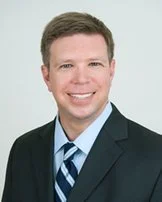
Kyle Cetrulo
President and Founder, Perinatal Stem Cell Society, Co-Founder and CEO, Auxocell Laboratories, Inc.
-
Kyle Cetrulo
President and Founder, Perinatal Stem Cell Society
Co-Founder and CEO, Auxocell Laboratories, Inc.
Kyle Cetrulo has been interested in Perinatal Stem Cells and non-profit organizations since 1998. As the former Director of the International Cord Blood Society (ICBS), Mr. Cetrulo organized the 5th and 6th International Congresses for the ICBS in 2002 and 2004, which had representatives from 23 countries participate in the meetings.
In 2008, Mr. Cetrulo co-founded Auxocell Laboratories, Inc. (Auxocell). Auxocell achieved profitability in three years under his leadership and Mr. Cetrulo currently remains in the position of Chief Executive Officer at Auxocell. Editor of two editions of Perinatal Stem Cells (Wiley Press, 2010 and 2013) and 2006 guest editor of the Stem Cell Reviews journal special edition focused on Perinatal Stem Cells, Mr. Cetrulo developed relationships with the world’s preeminent stem cell researchers working in the perinatal stem cell field.
In 2013, Mr. Cetrulo along with his co-founders, decided to form the non-profit International Perinatal Stem Cell Society, Inc., in order to provide a platform for collaboration and the dissemination of knowledge and information about perinatal stem cells.
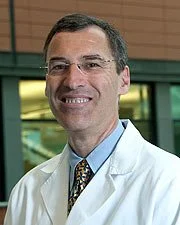
Charles S. Cox, Jr. MD
George & Cynthia Mitchell Distinguished Chair in Neurosciences, Department of Pediatric Surgery, Director, Program in Children’s Regenerative Medicine, Department of Pediatric Surgery, Co-Director, Texas Trauma Institute
-
Tsuneo A Takahashi, DSc
Tsuneo Takahashi is currently the specially appointed professor of Department of the Research for Perinatal Mesenchymal Stem Cell, Fukushima Medical University, Fukushima City, Japan
Conference Presentation Topic: How to Work with the Japanese Regulatory Framework for Cell Therapy
Tsuneo Takahashi has been working on the research and development of cord blood banking, perinatal stem cell, and cryobiology.
He has worked for the American Red Cross, NIH (NIDDK), Japanese Red Cross, The Institute of the Medical Science University of Tokyo, Kyoto University, and Kobe University. He was visiting professor at the Chinese Medical School, Peking University
He was one of the founding members of the Japanese Cord Blood Bank Network, NETCORD, and AsiaCord.
He loves listening to classical music and playing violin at home.

Sunil K George, PhD
Research Scientist at the Wake Forest Institute for Regenerative Medicine. His research focuses on the regenerative ability of cells, their bio-molecular properties,
-
Sunil K George, PhD
Research Scientist at the Wake Forest Institute for Regenerative Medicine.
Title of past conference presentation: Use Of Human Amniotic Fluid Stem Cells Improves Kidney Function in Ischemia-Reperfusion Induced Kidney Disease
Dr. Sunil George is a Research Scientist at the Wake Forest Institute for Regenerative Medicine. His research focuses on the regenerative ability of cells, their bio-molecular properties, novel approaches of stem cell therapy and tissue repair for kidney diseases using animal models. His research interests include organ regeneration, gene regulation of fertility, aging, neuronal degeneration and mitochondrial dysfunction related diseases. Presently he is leading five projects on cell based therapy for organ regeneration and bioengineered kidneys. He has developed several animal models for the study of organ regeneration. He has 12 years of experience in Cellular Therapy, Cellular Processing and Regenerative Medicine. He is one of the lead members in WFIRM cell based therapy projects. He has giving training scientist in National and International levels for the regenerative stem cell research.?
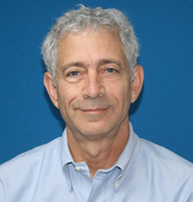
Morey Kraus
Chief Scientific Officer of the Diagnostics division of Perkin Elmer, Inc.
-
Morey Kraus
Chief Scientific Officer of the Diagnostics division of Perkin Elmer, Inc.
Morey Kraus is the Chief Scientific Officer of the Diagnostics division of PerkinElmer, Inc. (2007-Present). Prior to assuming this role Kraus was a principle Founder and the Chief Technology Officer for the ViaCord business unit (2000-2007). ViaCord is a private cord blood banking service and conducts research related to the potential of cord blood and cord tissue stem cells to treat various diseases.
Dennis Lox, MD
Sports and Regenerative Medicine in the Tampa Bay Metro area and Beverly Hills, California. Dr Lox has authored 2 medical texts, 8 book chapters, and frequently lectures around the world.
-
Dennis Lox, MD
Sports and Regenerative Medicine
Dr. Dennis Lox practices Sports and Regenerative Medicine in the Tampa Bay Metro area and Beverly Hills, California. Dr Lox has authored 2 medical texts, 8 book chapters, and frequently lectures around the world. Dr. Lox is an expert in the use of stem cell applications to sports and osteoarthritis. Dr. Lox treats a very diverse patient base, from professional athletes, to weekend warriors, and aging patients who wish to maintain a high quality of life. Dr. Lox has treated patients from around the world, desiring to maintain their health.
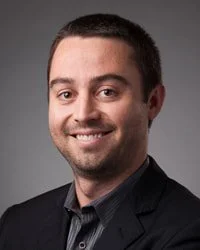
Sean Murphy, PhD
Director/Secretary and Co-founder of the Perinatal Stem Cell Society, Research Fellow at the Wake Forest Institute for Regenerative Medicine in North Carolina
-
Sean Murphy, PhD
Director/Secretary and Co-founder of the Perinatal Stem Cell Society
Research Fellow at the Wake Forest Institute for Regenerative Medicine in North Carolina
Dr. Sean V. Murphy received his PhD from Monash University, Melbourne, Australia and is currently a Research Fellow at the Wake Forest Institute for Regenerative Medicine in North Carolina, USA. His research focuses on the clinical application of perinatal cells and tissues for the treatment of injury and disease. Dr. Murphy has received numerous awards and fellowships, most notably an American Lung Association Senior Research Training Fellowship, and an American Australian Association Sir Keith Murdoch Fellowship.
Dr. Murphy is Director/Secretary and Co-founder of the Perinatal Stem Cell Society, serves on the editorial board of multiple international journals and has recently published the book Perinatal Stem Cells: Biology and Clinical Applications which provides a comprehensive overview of the therapeutic application of perinatal stem cells in both the clinical and preclinical settings.
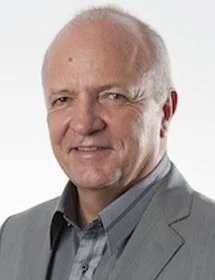
Professor Richard Boyd
Professor of Monash University in the Department of Anatomy and Developmental Biology and Group Leader of Stem Cells and Immune Regeneration laboratory, Director, Australian Node of the Australia-China Centre for Excellence in Stem Cell Sciences
-
Professor Richard Boyd
Professor of Monash University in the Department of Anatomy and Developmental Biology and Group Leader of Stem Cells and Immune Regeneration laboratory.
Director, Australian Node of the Australia-China Centre for Excellence in Stem Cell Sciences
Richard Boyd is a Professor of Monash University in the Department of Anatomy and Developmental Biology, where he is a member of the Executive and also Group Leader of Stem Cells and Immune Regeneration laboratory. He is a member of the Australian National Health and Medical Research Council Faculty and has also developed extensive international collaborations. In particular, he holds Honorary Adjunct Professorships at Kunming Medical University (China) and at Tokushima University (Japan). He was founding Director of the Australian node of the Sino-Australian Centre for Excellence in Stem Cells. Much of his research has focused on the formation and growth of the immune system and its repair following damage through infection, radiation, chemotherapy, autoimmunity and natural aging process. As CSO of Norwood Immunology, his team undertook the first successful clinical trial to rebuild the thymus-based immune system in cancer patients undergoing high dose chemotherapy. His group’s recent studies have identified thymus stem cells and harnessed the immunomodulatory and pro-repairing properties of mesenchymal stem cells for treating autoimmunity and particularly musculoskeletal sporting and arthritic conditions. His group also have major interests in the molecular engineering of the immune system to target cancers and the diversity of stem cells available, yet discarded, at birth and potential for a wide range of regenerative therapies. Richard has published over 280 papers and has had a major role in the education of undergraduate and over 100 postgraduate students at Monash University. In 2003 he was awarded an Australian Federal Government Centenary Medal for International Research and Teaching and in 2004 the Australian Federal Government Business/Higher Education Round Table Award for Outstanding Achievement in Research and Development, Education and Training.
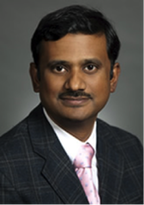
Krishnendu Roy, PhD
Fellow, AIMBE, Fellow, BMES. Carol Ann and David D Flanagan Professor and Wallace H. Coulter Distinguished Fellow, Director, Center for ImmunoEngineering at Georgia Tech The Wallace H. Coulter Department of Biomedical Engineering at Georgia Tech and Emory University The Parker H. Petit Institute for Bioscience and Bioengineering Georgia Institute of Technology
-
Krishnendu Roy, PhD
Fellow, AIMBE, Fellow, BMES. Carol Ann and David D Flanagan Professor and Wallace H. Coulter Distinguished Fellow, Director, Center for ImmunoEngineering at Georgia Tech The Wallace H. Coulter Department of Biomedical Engineering at Georgia Tech and Emory University The Parker H. Petit Institute for Bioscience and Bioengineering Georgia Institute of Technology
Dr. Krishnendu (Krish) Roy received his undergraduate degree from the Indian Institute of Technology (India) followed by his MS from Boston University and his PhD in Biomedical Engineering from Johns Hopkins University. Following his PhD, he joined Zycos Inc., a start-up biotechnology company where he served first as a Scientist and then as a Senior Scientist in the Drug Delivery Research group. Dr. Roy left his industrial position to join The University of Texas at Austin in 2002, where he was most recently Professor and Fellow of the Cockrell Chair in Engineering Excellence. He left UT-Austin in July of 2013 to move to Georgia Tech. where he is currently the Carol Ann and David D. Flanagan Professor and Wallace H. Coulter Distinguished Faculty Fellow. At Georgia Tech, he also serves as Director of the Center for ImmunoEngineering, a consortium of 30+ faculty focused on using engineering tools and methodologies to understand and modulate the immune system in health and disease. He is also currently the Technical Lead of the Cell Manufacturing Consortium, a national public-private partnership, focused on addressing the challenges and solutions for large scale manufacturing of therapeutic cells. Dr. Roy’s research interests are in the areas of controlled drug and vaccine delivery technologies, Immuno-engineering, stem cell engineering and cell manufacturing, with particular focus in biomedical materials with applications in cancer and immunotherapies. In recognition of his seminal contribution to these fields, Dr. Roy has been elected Fellow of the American Institute for Medical and Biological Engineering (AIMBE) and Fellow of the Biomedical Engineering Society (BMES). In addition, Dr. Roy has received numerous awards and honors including Young Investigator Awards from both the Controlled Release Society (CRS) and The Society for Biomaterials (SFB), the Young Scientist Award from HSEMB, NSF CAREER award, Global Indus Technovator Award from MIT, the CRS Cygnus Award etc. He has also received the translational research award from the Coulter foundation and the bioengineering grant from the Whitaker Foundation. Dr. Roy’s research has been supported through numerous grants from the NIH and NSF as well as the Cancer Prevention and Research Institute of Texas (CPRIT). He is also twice the recipient of Best Teacher Award given by the Biomedical Engineering Students at The University of Texas. He serves as a member of the Editorial Boards of the Journal of Controlled Release and the European Journal of Pharmaceutics and Biopharmaceutics.
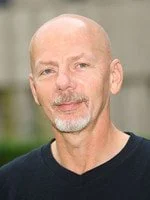
Stephen C. Strom, PhD
Professor at the Karolinska Institutet in the Department of Laboratory Medicine of the Division of Pathology, Stockholm, Sweden, Joint appointment in the Division of Cellular and Molecular Pathology at the University of Pittsburgh, Torsten och Ragnar Söderberg Professor in Cell Transplantation and Regenerative Medicine
-
Stephen C. Strom, PhD
Professor at the Karolinska Institutet in the Department of Laboratory Medicine of the Division of Pathology, Stockholm, Sweden
Joint appointment in the Division of Cellular and Molecular Pathology at the University of Pittsburgh
Torsten och Ragnar Söderberg Professor in Cell Transplantation and Regenerative Medicine
At the Karolinska Institutet he is the principal investigator for a Strategic Research Program in Cancer (StratCan) and the Vetenskaprådet (Swedish Research Council) study entitled, “Understanding the biology of genes associated with longevity and healthy aging using humanized mouse models.” His work also includes a European Commission study entitled, “HUMAN: Health and understanding of metabolism, aging and nutrition.”
Dr. Strom’s research interests include: hepatocyte transplantation as a clinical treatment of liver disease, expression and regulation of drug metabolizing enzymes and in human liver, regulation of human hepatocyte replication and differentiation and production of hepatocytes for transplantation from stem or progenitor cells.
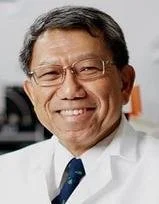
Rocky S. Tuan, PhD
Director, Center for Cellular and Molecular Engineering, the Arthur J. Rooney, Sr. Professor and Executive Vice Chair, Department of Orthopedic Surgery, the Associate Director, McGowan Institute for Regenerative Medicine, the Director, Center for Military Medicine Research, and a Professor in the Departments of Bioengineering and Mechanical Engineering & Materials Science, University of Pittsburgh, Pittsburgh, Pennsylvania.
-
Rocky S. Tuan, PhD
Director, Center for Cellular and Molecular Engineering, the Arthur J. Rooney, Sr. Professor and Executive Vice Chair, Department of Orthopedic Surgery, the Associate Director, McGowan Institute for Regenerative Medicine, the Director, Center for Military Medicine Research, and a Professor in the Departments of Bioengineering and Mechanical Engineering & Materials Science, University of Pittsburgh, Pittsburgh, Pennsylvania.
Dr. Tuan received his Ph.D. from the Rockefeller University and completed his postdoctoral research at Harvard Medical School. After serving professorships at the University of Pennsylvania and Thomas Jefferson University, Dr. Tuan was recruited to the NIH (NIAMS) as Chief of the newly created Cartilage Biology and Orthopedics Branch in 2001, and in 2009, he accepted the position of the Founding Director, Center for Cellular and Molecular Engineering, and Arthur J. Rooney, Sr. Chair and Professor, University of Pittsburgh School of Medicine. Currently Dr. Tuan is the editor of the developmental biology journal BDRC: Embryo Today, founding editor-in-chief of Stem Cell Research and Therapy, and serves on multiple editorial boards. He directs a multidisciplinary program focusing on the development, growth, function, and health of the musculoskeletal system, the biology of adult stem cells, and the utilization of this knowledge to develop stem cell-based technologies that regenerate and/or restore function to diseased and damaged musculoskeletal tissues, and has authored more than 450 research publications. Since 2010, Dr. Tuan has served as Co-Director of the U.S. Armed Forces Institute of Regenerative Medicine, a Department of Defense funded, multi-institutional consortium focused on developing regenerative therapies for battlefield injuries. In 2012, he became the Founding Director of the Center for Military Medicine Research and Associate Director of the McGowan Institute for Regenerative Medicine at the University of Pittsburgh. In addition, Dr. Tuan was appointed a University of Pittsburgh Distinguished Professor in 2014 and received the Chancellor’s Distinguished Research Award in 2015.
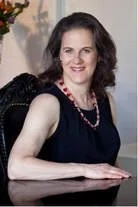
Frances Verter, PhD
Founder and Director of the Parent’s Guide to Cord Blood Foundation
-
Frances Verter, PhD
Founder and Director of the Parent’s Guide to Cord Blood Foundation
Frances Verter, PhD, is the founder and director of the Parent’s Guide to Cord Blood Foundation, incorporated in the United States as a 501(c)(3) charity. Since 1998, PGCB Foundation has been educating parents about their cord blood options, supporting both public donation and private storage for the family.
Despite the name “Parent’s Guide” and its humble start, PGCB Foundation has evolved to perform multiple roles in the cord blood industry.
For parents worldwide, parentsguidecordblood.org is the leading internet resource helping families to learn about cord blood banking. In the United States, the number of expectant mothers who receive an educational brochure from PGCB Foundation in their prenatal education packet is about 40% the number of births from which cord blood is banked.
For healthcare providers, PGCB Foundation provides educational fact sheets at parentsguidecordblood.org.
For laboratory professionals, PGCB Foundation has issued a Cord Blood Industry Report at cordbloodindustryreport.org.
In order to keep pace with the ever growing science and technology of this field, the industry report covers banking of perinatal stem cells from additional sources such as cord tissue.
For more information about the Parents Guide to Cord Blood Foundation please visit www.parentsguidecordblood.org
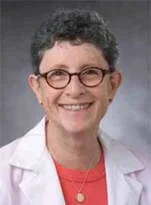
Joanne Kurtzberg, MD
Extending Perinatal Therapies for the Brain.
-
Joanne Kurtzberg, MD
Director, Marcus Center for Cellular Cures (MC3)
Director, Pediatric Blood and Marrow Transplant Program
Director, Carolinas Cord Blood Bank
Co-Director, Stem Cell Laboratory
Conference Presentation Topic: Extending Perinatal Therapies for the Brain
Dr. Joanne Kurtzberg is an internationally renowned expert in pediatric hematology/oncology, pediatric blood and marrow transplantation, umbilical cord blood banking and transplantation, and novel applications of cord blood in the emerging fields of cellular therapies and regenerative medicine. Dr. Kurtzberg pioneered the use of umbilical cord blood as an alternative stem cell source for unrelated hematopoietic stem cell transplantation (HSCT). Over the last two decades, Dr. Kurtzberg has established an internationally known pediatric transplant program at Duke, which treats children with cancer, blood disorders, immune deficiencies, hemoglobinopathies and inherited metabolic diseases. In 2010, Kurtzberg established the Julian Robertson Cell and Translational Therapy Program (CT2) at Duke. CT2 focuses on translational studies from bench to bedside with a focus on bringing cellular therapies in regenerative medicine to the clinic. Recent areas of investigation in CT2, which are funded by the Marcus Foundation, include the use of autologous cord blood in children with neonatal brain injury, cerebral palsy, and autism, as well as preclinical and clinical studies manufacturing microglial oligodendrocyte-like cells from cord blood to treat patients with acquired and genetic brain diseases. Studies of donor cord blood cells and donor cord tissue MSCs in adults with stroke and children with cerebral palsy and autism are also underway. In 2018, Dr. Kurtzberg established and became director of the Marcus Center for Cellular Cures (MC3) at Duke.
Dr. Kurtzberg established one of the largest unrelated donor cord blood banks, the Carolinas Cord Blood Bank, in the world at Duke in 1998. The bank has a current inventory of >40,000 units and has provided cord blood units to over 2,500 patients undergoing unrelated donor HSCT over the past 20 years. Dr. Kurtzberg’s lab has developed novel assays enumerating ALDH bright cells to predict cord blood potency from segments attached to cryopreserved cord blood units, and is performing translational research testing cord blood expansion, cellular targeted therapies and tissue repair and regeneration. In 2012, under the direction of Dr. Kurtzberg, the Carolinas Cord Blood Bank received FDA approval for DuCord, a stem cell product derived from umbilical cord blood, for use in transplants between unrelated donors and recipients. Dr. Kurtzberg currently holds several INDs for investigational clinical trials. Additionally, she is the co-director of the Duke Hospital Stem Cell Transplant Laboratory.
Dr. Kurtzberg has published over 300 peer-reviewed papers, multiple chapters and scientific reviews. She is a member of the American Society of Hematology, the American Association of Blood and Marrow Transplantation, the American Society of Pediatric Hematology/Oncology, the International Society of Cellular Therapies, the Pediatric Blood and Marrow Transplant Consortium (PBMTC), and multiple other organizations. She has served on the Board of the Foundation of Accreditation of Cellular Therapies, co-chaired the National Marrow Donor Program’s Cord Blood Advisory Group and has served on the Advisory Council of Blood Stem Cell Transplantation to Health and Human Services. Dr. Kurtzberg was awarded a Lifetime Achievement Award from the PBMTC in 2012. Most recently, she established and is the first president of the Cord Blood Association.
***********************
Extending Cord Blood to Regenerative Therapies for the Brain
Joanne Kurtzberg, MD; Director, Marcus Center for Cellular Cures; Director, Carolinas Cord Blood Bank; Director, Pediatric Blood and Marrow Transplant Program
Cord blood cells can work through paracrine and trophic mechanisms to help endogenous cells heal brain tissue damaged by disease or injury. Learning from observations made using unrelated donor umbilical cord blood transplantation after myeloablative chemotherapy to treat children with certain inherited metabolic diseases, cord blood therapies have been developed to treat children with acquired brain injuries, like hypoxic ischemic encephalopathy, cerebral palsy, and autism. Results of preclinical and IND enabling studies will be presented to provide information about safety and potential mechanisms of action of cord blood cells in this setting. Data from early phase human clinical trials for safety and efficacy in these diseases will be presented by the speaker in this session.
Learning Objectives:
1. Attendee will learn the history and evolution of cord blood banking and transplantation.
2. Attendee will learn about quality measures of cord blood units.
3. Attendee will learn about new clinical applications for cord blood therapies.
Curtis L. Cetrulo, Jr., MD
Plastic and Reconstructive Surgery, Massachusetts General Hospital
-
Curtis L. Cetrulo, Jr., MD
Plastic and Reconstructive Surgery, Massachusetts General Hospital
Dr. Cetrulo is a nationally-respected clinical microsurgeon and educator, and a national leader in vascularized composite allotransplantation.
Dr. Cetrulo graduated from Stanford University in 1992 and Tufts University School of Medicine in 1999. Following general surgery residency training, a plastic surgery research fellowship, plastic surgery residency training and hand and microsurgery fellowship training, Dr. Cetrulo practiced reconstructive microsurgery and hand surgery at the University of Southern California Medical Center (USC). He also performed pediatric reconstructive microsurgery, burn reconstruction, cleft lip/palate surgery, and pediatric hand surgery at the Shriners Hospital for Children-Los Angeles from 2007-2009. In addition, Dr. Cetrulo established and directed a translational research laboratory dedicated to composite tissue allograft research. Dr. Cetrulo participated in many medical missions while at USC.
In 2009, Dr. Cetrulo joined the Division of Plastic and Reconstructive Surgery of the Massachusetts General Hospital (MGH) and the Massachusetts General Hospital for Children, as well as the staff of Shriners Hospital for Children-Boston. Dr. Cetrulo’s surgical practice is dedicated to preforming cutting–edge complex adult and pediatric reconstructive microsurgery, as well as to hand surgery, breast reconstruction, and burn reconstruction. Dr. Cetrulo has published numerous clinical research contributions to the microsurgery literature.
Dr. Cetrulo established of the first Vascularized Composite Allotransplantation Service at MGH, from inception to regulatory board approval to performance of MGH’s first hand transplantation. Dr. Cetrulo’s hand transplant case has been distinguished by the patient’s superior functional outcome compared to other hand transplant recipients throughout the world, as well as for widening the applicability of this procedure for burned amputees.
Dr. Cetrulo also serves as the Senior Investigator and Head of the Vascularized Composite Tissue Allotransplantation Laboratory at the Transplantation Biology Research Center, Massachusetts General Hospital. The TBRC laboratory is investigating tolerance induction strategies for vascularized composite tissue allografts (VCA) in the immunogenetically-defined MGH miniature swine model as well as in non-human primate models. Current research efforts are directed toward use of mixed hematopoietic chimerism to induce transplantation tolerance to VCA and toward exploring the immunologic mechanisms involved in tolerance and rejection of the skin component of VCA. TBRC recently published an important contribution to the field: the first demonstration of immunologic tolerance of all components of a VCA in a large animal, preclinical model.
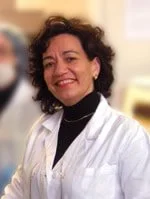
Ornella Parolini, PHD
Immunomodulatory Properties of the Amniotic Membrane Derivatives: Key Mechanisms of their Therapeutic Effects.
-
Ornella Parolini, PhD
Professor of Experimental Biology, Università Cattolica del Sacro Cuore, Rome, Italy.
Director of the E. Menni Research Center (CREM), Brescia, Italy.
Conference Presentation Topic: Immunomodulatory properties of the amniotic membrane derivatives: key mechanisms of their therapeutic effects
Dr. Parolini has pioneered research on human placenta-derived stem cells, and currently the CREM is internationally recognized for its research and contributions in this field. The main lines of research at CREM are centred around amniotic and chorionic membrane-derived cells and their conditioned media, with particular focus on immunomodulatory potential in vitro, as well as in vivo assessment of anti-fibrotic effects after transplantation/injection into preclinical animal models of induced fibrosis and autoimmune diseases.
Zhong Chao Han, MD, PhD
Research and Development of Investigational New Drugs from Perinatal Mesenchymal Stem Cells.
-
Curtis L. Cetrulo, MD
Professor of Obstetrics and Gynecology, Tufts University School of Medicine
President, International Cord Blood Society (ICBS)
Medical Consultant, Auxocell Laboratories, Inc.
Conference Presentation Topic: Finally, Everyone is Interested in the Placenta! And It's About Time!
Curtis L. Cetrulo, MD has a profound passion for stem cells and pursues this passion with the same excitement and energy that he has brought with him at every stage of his career. Since 1984 until the present, Dr. Cetrulo has been a Professor of Obstetrics and Gynecology at Tufts University School of Medicine. He is one of the two founding members and is the current President of the International Cord Blood Society (ICBS), a non-profit organization founded in 1995. In 2007, Dr. Cetrulo guest edited an edition of the Journal “Stem Cell Reviews” that focused on Pregnancy related stem cells. Dr. Cetrulo is currently a medical consultant for Auxocell Laboratories, Inc. a company that focuses on stem cells obtained from the Wharton’s Jelly of the human umbilical cord. From 1996 until 2005, Dr. Cetrulo was the medical director of New England Cord Blood Bank, Inc. From 1992- 1994, Dr. Cetrulo was the Chairman of the Obstetrical Quality Assurance Committee at New England Medical Center. In 1992, he was named the Director of Regional Perinatal Program at New England Medical Center and from 1975-1992, Dr. Cetrulo was the Director of Maternal-Fetal Medicine at St. Margaret’s Hospital in Boston. In 1990, Dr. Cetrulo was named the President of Medical Staff at St. Margaret’s Hospital. In 1977, Dr. Cetrulo was board certified in Maternal Fetal Medicine. He was the first OB/GYN to be board certified in Maternal Fetal Medicine in Boston, Massachusetts. Dr. Cetrulo completed his Maternal Fetal Medicine fellowship at the University of Southern California Medical Center in Los Angeles, California in 1975. He completed his Obstetrics/Gynecology residency program at the University of Colorado in Denver, Colorado in 1973. Dr. Cetrulo graduated from the New Jersey College of Medicine in 1969. He did his undergraduate work at Columbia University (1965) where he was the captain of the 1964 NCAA champion Fencing team.
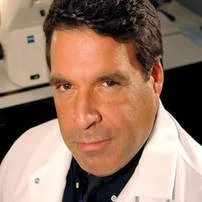
Robert Hariri, MD, PhD
The Chairman, Founder, Chief Scientific Officer, and former Chief Executive Officer of Celgene Cellular Therapeutics
-
Robert Hariri, MD, PhD
The Chairman, Founder, Chief Scientific Officer, and former Chief Executive Officer of Celgene Cellular Therapeutics
Bob Hariri is a surgeon, biomedical scientist and highly successful serial entrepreneur in two technology sectors: biomedicine and aerospace. The Chairman, Founder, Chief Scientific Officer, and former Chief Executive Officer of Celgene Cellular Therapeutics, one of the world’s largest human cellular therapeutics companies, Dr. Hariri has pioneered the use of stem cells to treat a range of life threatening diseases and has made transformative contributions in the field of tissue engineering. Dr. Hariri was recipient of the Thomas Alva Edison Award in 2007 and 2011, The Fred J. Epstein Lifetime Achievement Award and has received numerous other honors for his many contributions to biomedicine and aviation.
Graham Jenkin, PhD
Stem Cell Therapy for Perinatal Injury.
-
Graham Jenkin, PhD
Personal Chair and is a Professor in the Monash Department of Obstetrics and Gynaecology at Monash University. He is Deputy Director of The Ritchie Centre at the Hudson Institute of Medical Research.
Conference Presentation Topic: Stem Cell Therapy for Perinatal Injury
Graham Jenkin holds a Personal Chair and is a Professor in the Monash Department of Obstetrics and Gynaecology at Monash University. He is Deputy Director of The Ritchie Centre at the Hudson Institute of Medical Research. Its mission is to improve the health of women and children through innovative research that informs better healthcare. Research currently being undertaken includes studies on the maintenance of fetal and neonatal well-being; including intra uterine growth restriction, fetal and neonatal hypoxia and premature labour. His group is pioneering potential therapies for the amelioration of chronic lung disease in the neonate and the prevention and treatment of the neurological consequences of cerebral palsy. His research interests include the use of placental derived, particularly cord blood, stem cells for cell based therapies. He has published over 160 peer reviewed journal articles and 31 invited book chapters/journal review articles.
C. Randal Mills, PhD
President and Chief Executive Officer of the California Institute of Regenerative Medicine
-
C. Randal Mills, PhD
President and Chief Executive Officer of the California Institute of Regenerative Medicine
C. Randal Mills, Ph.D., is President of the California Institute for Regenerative Medicine (CIRM). Prior to joining CIRM in May 2014, Mills was the former President and CEO of Osiris Therapeutics. Under Mills’ leadership Osiris developed the world’s first approved stem cell drug. Mills was at Osiris for almost ten years before stepping down last December. Prior to that he served in several executive leadership roles with RTI Biologics Inc., and was a founding member of that company’s predecessor, the University of Florida Tissue Bank. He also served, at the appointment of the U.S. Secretary of Health and Human Services, as a voting member of the National Institutes of Health and AIDS Research Advisory Council and was vice chairman of the American Association of Tissue Bank’s Standards Committee.
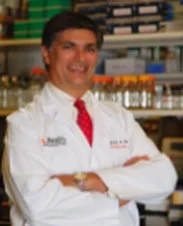
Joshua Hare, MD
MSCs are Still the Future of Regenerative Medicine.
-
Joshua Hare, MD
Chief Sciences Officer, Senior Associate Dean for Experimental and Cellular Therapeutics, Director of the Interdisciplinary Stem Cell Institute (ISCI), and Louis Lemberg Professor of Medicine at the University of Miami Miller School of Medicine
Conference Presentation Topic: MSCs are Still the Future of Regenerative Medicine
Dr. Hare is an expert in cardiovascular medicine and specializes in heart failure, myocardial infarction, inflammatory diseases of the heart, and heart transplantation. He is an internationally acknowledged pioneer in the field of stem cell therapeutics for human heart disease, currently seeing and evaluating patients from all over the world for this new experimental therapy.
Dr. Hare is the founding director of the Interdisciplinary Stem Cell Institute, an Institute devoted to basic scientific and translational work in the field of stem cell therapy and regenerative medicine. The Institute houses 70 faculty members and 15 independent research groups. Dr. Hare led the first randomized allogeneic mesenchymal stem cell (MSC) clinical trial for patients with myocardial infarction and is principal investigator of multiple other trials for heart failure and cardiovascular disease. He has pioneered the use of all allogenic MSCs for multiple disease areas. Under his leadership, ISCI now has active programs in cancer biology, cardiology, aging, neonatology, skin diseases, bone diseases, neurologic diseases, ophthalmology, and a program devoted to the ethics of stem cell therapy.
Dr. Hare has published more than 260 original research articles, editorials, and review articles, and is the recipient of seven grants from the National Institutes of Health. He holds 10 FDA Investigational New Drug applications for cell-based therapy in patients with heart disease, including the first in the United States for Idiopathic Pulmonary Fibrosis and Aging Frailty. He is the recipient of three active NIH RO1’s and is the PI of the UM National Heart Lung and Blood Institute Cardiac Cell Therapy Trial Network (CCTRN) center; together these awards fund ~$3M in basic and translational research annually. Under his leadership, ISCI has been awarded $10M from The Starr Foundation and a $25M award from The Soffer Family. Dr. Hare recently completed a term as chair of the Cardiac Contractility and Heart Failure study section of the National Institute of Health (NIH), chairs the Stem Cell Working Group of the American Heart Association (AHA), and is the current Chair of the AHA Basic Cardiovascular Science Council.
Educated at the University of Pennsylvania (1984), Johns Hopkins University School of Medicine (1988), The Brigham and Women’s Hospital (1994), and Harvard Medical School, Dr. Hare spent 12 years on the faculty at Johns Hopkins University School of Medicine where he rose to the rank of Professor of Medicine and Biomedical Engineering, and Director of the Cardiac Transplant and Heart Failure program in 2004 before joining the faculty at the University of Miami Miller School of Medicine in 2007. Dr. Hare is an elected member of the American Association of Physicians (2011) and the Association of University Cardiologists (2007). Dr. Hare is the inventor of 10 (three issued) United States patents, and his research discoveries have led to the founding of four biotechnology companies, all of which have received initial funding.
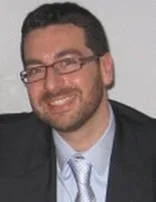
Giampiero La Rocca, PhD
Head of the section of “Stem Cells and Tissue Repair” at the Euro-Mediterranean Institute of Science and Technology (IEMEST)
-
Giampiero La Rocca, PhD
Head of the section of “Stem Cells and Tissue Repair” at the Euro-Mediterranean Institute of Science and Technology (IEMEST)
Dr Giampiero La Rocca has obtained the Masters Degree in Biological Sciences from University of Palermo in 2000 and got the PhD in Cell and Developmental Biology in 2005. In 2004 he was appointed as lecturer of Human Anatomy at the University of Palermo, where he is now Aggregate Professor of Histology and Embryology at the School of Medicine. He is also Head of the section of “Stem Cells and Tissue Repair” at the Euro-Mediterranean Institute of Science and Technology (IEMEST). Since 2010, he is a member of the Scientific Board of Auxocell Laboratories, Inc. He is member of the International Placenta Stem Cell Society (IPLASS) and founding member of the Perinatal Stem Cells Society and Editorial Board member in “Cell Transplantation” and other peer-reviewed international journals. He has published more than 100 scientific works including in extenso papers, abstracts and book chapters. He was Guest Editor of multiple special issues of international journals focusing on mesenchymal stromal cells of perinatal origin since 2011.
His current interests are focused on the definition of the in vivo features of stromal cells of the umbilical cord matrix (Wharton’s jelly), and their immunomodulatory properties both in the undifferentiated and fully-differentiated states. In particular, for the definition of new molecules as determinants for the hypoimmunogenicity of these cells in vitro and in vivo. Cells derived from his lab are currently used in preclinical models of pancreatic diseases at the UTMB Galveston, TX, and other collaborations are en-route with major international research centers for the use of the cells in models of liver diseases, applications in CNS pathologies such as stroke and TBI, as well as support to cord blood hematopoietic expansion.
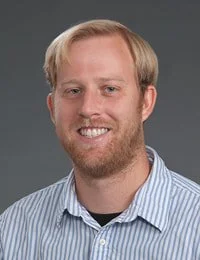
Aleksander Skardal, PhD
Assistant Professor, Wake Forest Institute for Regenerative Medicine
-
Aleksander Skardal, PhD
Assistant Professor, Wake Forest Institute for Regenerative Medicine
Title: Cell-free wound healing therapy with perinatal environment-derived material
Aleksander Skardal received his B.Sc. from Johns Hopkins University in 2005 and his PhD from the University of Utah in 2010, where his researched focused on the integration of biomaterials in bioprinting platforms. He joined the Wake Forest Institute for Regenerative Medicine in 2010, initially focusing on the application of hydrogel biomaterials for wound healing cell therapies and fabrication of environments for modulating stem cell behaviors and primary cell viability and function in vitro. His current research continues to apply hydrogel biomaterials within the framework of several areas including: biofabrication of microtissue “organoids” for diagnostics (aka “Body-on-a-Chip”), host tissue organoids for in vitro modeling of metastasis phenomena and mechanisms, integration with microfluidic systems, and naturally-derived hydrogels for cell-free wound healing therapies.
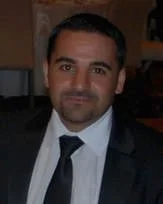
Rouzbeh R. Taghizadeh, PhD
Director, Secretary, and Founder of the Perinatal Stem Cell Society, Chief Scientific Officer, Auxocell Laboratories, Inc.
-
Rouzbeh R. Taghizadeh, PhD
Director, Secretary, and Founder of the Perinatal Stem Cell Society
Chief Scientific Officer, Auxocell Laboratories, Inc.
Rouzbeh R. Taghizadeh, PhD, has dedicated more than 15 years to bringing stem cell-based therapies to clinical practice. He earned his Ph.D. in Stem Cell Bioengineering in 2006 from the Massachusetts Institute of Technology (MIT). In 2008, Dr. Taghizadeh co-founded Auxocell Laboratories, Inc. in 2008 and currently serves as Auxocell’s Chief Scientific Officer. At Auxocell, Dr. Taghizadeh developed novel methods and technologies to establish the collection, processing, and banking of stem cells from the human umbilical cord for eventual utilization in stem cell based therapies, regenerative medicine, and other clinical applications. Most notably, Dr. Taghizadeh and his team developed the novel single-use, disposable solid tissue processing system – the patented Auxocell Processing System (AC:Px™). Dr. Taghizadeh has contributed to numerous peer-reviewed publications, book chapters, and patents and is an editor of the 2nd edition of Perinatal Stem Cells.
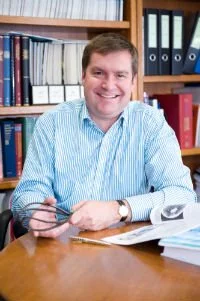
Professor Euan M Wallace AM
Professor and Head of Department of Obstetrics and Gynaecology at Monash University, Principal Director of The Ritchie Centre, one of Australia’s leading perinatal research centres Director of Obstetric Services at Monash Health, Victoria’s largest health service
-
Professor Euan M Wallace AM, MBChB, MD, FRCOG, FRANZCOG, FAHMS
Professor and Head of Department of Obstetrics and Gynaecology at Monash University
Principal Director of The Ritchie Centre, one of Australia’s leading perinatal research centres
Director of Obstetric Services at Monash Health, Victoria’s largest health service
Dr. Wallace’s clinical interests are in high-risk pregnancy, including recurrent miscarriage, multiple pregnancy, preeclampsia and fetal growth restriction. At The Ritchie Centre, Dr. Wallace leads a translational research group addressing maternal and fetal health with a focus on preeclampsia, fetal growth restriction, and neuroprotection. In particular, his group has current research programs in antenatal neuroprotection in fetal growth restriction, novel therapies for preeclampsia, and in the application of placental stem cells to diseases of preterm infants such as bronchopulmonary dysplasia, necrotising enterocolitis and brain injury.
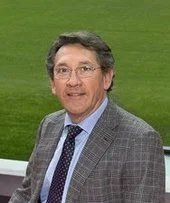
Mikel Sanchez, MD
Perinatal Stem Cells for Sports Injuries
-
Mikel Sanchez, MD
Head of the Arthroscopic Surgery Unit (UCA), Vitoria-Gasteiz, Spain
Conference Presentation Topic: Perinatal Stem Cells for Sports Injuries
Dr. Sánchez has been one of the pioneers in the advance of Arthroscopic Surgery in Spain. Part of Leeds-Keio teamwork (1986-1997), an Anglo-Japanese collaboration in order to boost developed prototypes of surgical equipment for the anterior and posterior cruciate ligament reconstruction and for the treatment of shoulder chronic instability. In 2000, he understood the therapeutic potential of Platlet Rich Plasma (PRP) and its applications in traumatology. From 2003 to 2005, he was part of GIDA teamwork (Arthrex, Florida, USA) as leader in orthobiology. Finally, since 2013 is a precursor in Spain of the use in surgery of 3D printing technology. He continues with the development of surgical techniques and equipment, application methods of PRP Technology in open and arthroscopic surgery and biological minimal invasive treatments. Currently, Dr. Sánchez conducts 600 surgeries per year, by using his own surgical technology largely. Dr. Sánchez has authored more than 50 papers in international journals, more than 250 lectures, six book chapters and holds two international patents.
Kang-Hsi Wu, MD
Chief of Pediatric Hematology/Oncology, Children’s Hospital of China Medical University, Taiwan Associated Professor, China Medical University, Taiwan
-
Kang-Hsi Wu, MD
Chief of Pediatric Hematology/Oncology, Children’s Hospital of China Medical University, Taiwan Associated Professor, China Medical University, Taiwan
Dr. Wu is a pediatrician and majors in pediatric hematology/oncology. His clinical interest is hematopoietic stem cell transplantation, and his research focuses on mesenchymal stem cells. After graduation from medical university, Dr. Wu received the board certification of Taiwan Pediatric Association, Taiwan Society of Blood and Marrow Transplantation, and Hematology Society of Taiwan. Dr. Wu’s academic appointments include the instructor of Taiwan Society of Blood and Marrow transplantation and Hematology Society of Taiwan, as well as Associate Professor, China Medical University, Taiwan. At present, Dr. Wu is the Chief of the Pediatric Hematology/Oncology division and the Chief of Blood Bank at the China Medical University Hospital.